Darta: A Modern Sans Serif Font
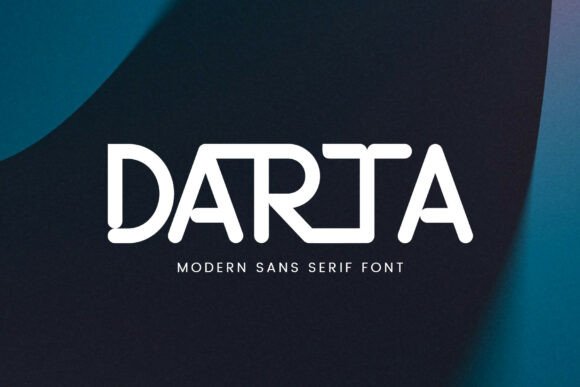
Darta is a sleek and technical display font that brings a clean, minimalist aesthetic to editorial design. Its modern sans serif style features wide letterforms with consistent monolinear weight, making it ideal for creating visually striking content across blogs, magazines, and digital publications.
The font's contemporary look gives it a strong visual presence while maintaining readability. Its minimalism makes it perfect for headings, cover text, and graphic elements where clarity and style are essential. Darta’s design allows it to stand out without overwhelming the reader, making it a valuable addition to any designer’s toolkit.
Using Darta in Editorial Design
Darta excels in editorial design where visual hierarchy and brand identity matter. It can be used for blog headers, magazine covers, and ebook titles to create an immediate sense of modernity and sophistication. Its bold yet refined appearance helps draw attention and establish a clear tone for the content that follows.
In newsletters and printable guides, Darta adds a professional touch to headlines and section dividers. It works well for quote graphics, chapter openers, and lead magnets, offering a clean and structured layout that enhances readability and engagement. Whether used as a primary or accent typeface, Darta supports a cohesive and polished design language.
Darta for Content Branding and Reader Engagement
For publishers and content creators, Darta offers a versatile tool for building a recognizable brand identity. Its consistent stroke width and geometric precision make it suitable for logos, social media graphics, and packaging design. When used across multiple platforms, it reinforces a unified visual theme that resonates with readers.
When paired with a readable serif font for body copy or a complementary sans serif for captions and navigation, Darta becomes even more effective. This font pairing strategy ensures that the design remains legible while maintaining a modern aesthetic. It also allows for greater flexibility in layout decisions, making it easier to balance form and function.
Practical Applications of Darta
Consider using Darta for a lifestyle blog to create eye-catching headlines that reflect the site’s modern vibe. In a recipe ebook, it can serve as a title font or for ingredient lists, adding a touch of elegance without sacrificing clarity. For a wedding guide, Darta’s clean lines and structured forms can enhance the overall design while keeping the content easy to navigate.
In a coaching workbook or printable planner, Darta provides a professional look for section headings and key points. As a newsletter font, it can elevate the visual appeal of subject lines and feature boxes, encouraging readers to engage with the content. Its adaptability makes it a go-to choice for a wide range of editorial projects.
Readability and Technical Considerations
Darta maintains its readability across different formats, including screen reading, PDF exports, mobile layouts, and print. Its balanced letterforms ensure that it remains legible at various sizes and on different devices. This makes it a reliable choice for both digital and physical publications.
Designers should check for included styles, alternates, ligatures, and multilingual support to ensure that Darta meets the specific needs of their project. These features can enhance the font’s usability and expand its potential applications in multilingual or complex layouts.
Commercial Licensing and Usage
When using Darta for commercial purposes such as ebooks, templates, printables, paid newsletters, client publications, or digital downloads, it’s important to verify the licensing terms. Proper licensing ensures that the font can be used legally and without restrictions, protecting both the creator and the end user.
As a premium font, Darta offers a high level of quality and versatility, making it a valuable asset for designers looking to elevate their editorial work. Its combination of style and functionality makes it an excellent choice for those who prioritize both aesthetics and practicality in their design process.