Lymna: A Decorative Font for Creative Projects
There I was, staring at a blank brand board, trying to find the right visual voice for a new artisanal café. The client wanted something that felt warm, inviting, and a little whimsical—something that could stand out without being too loud. I reached for Lymna, a decorative display font that promised to be the centerpiece of any layout. It didn’t take long to realize it was exactly what I needed.
Visual Characteristics and Personality
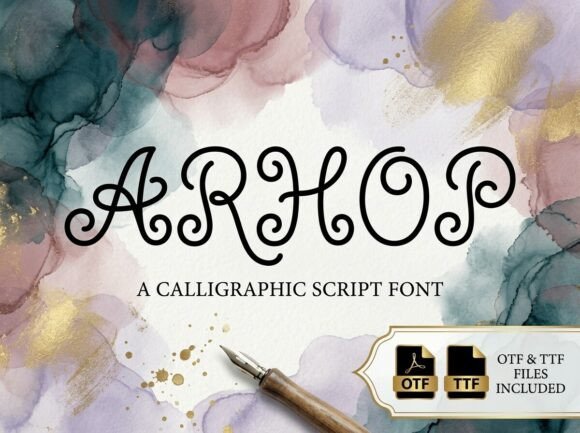
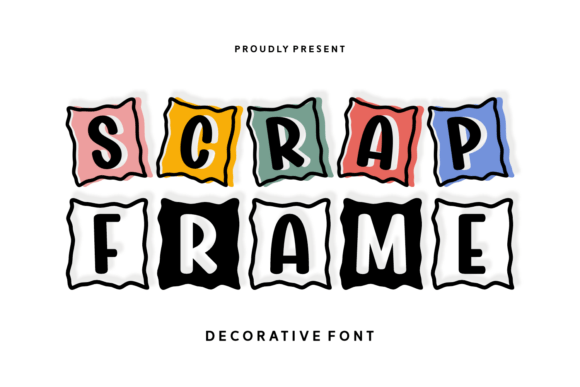
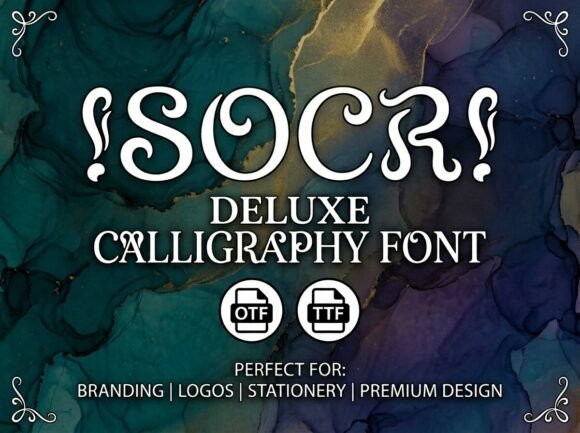
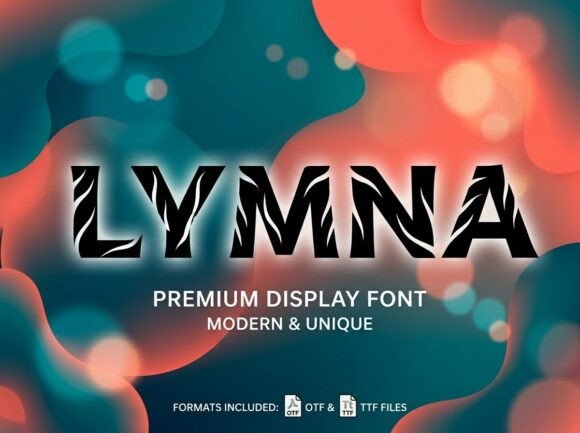
Lymna has a distinct artistic flair that sets it apart from more traditional typefaces. Its letterforms are fluid, with subtle swashes and decorative elements that give it a handcrafted feel. It’s not just a font; it’s a statement. The personality of Lymna is playful yet sophisticated, making it ideal for brands that want to convey creativity, artistry, or a touch of elegance.
The font’s strong character makes it perfect for logos, headers, and other design elements where visual impact matters. But don’t let its decorative nature fool you—it still maintains a level of clarity that allows it to work well in various contexts, as long as it’s used appropriately.
Real-World Testing in Branding Projects
I tested Lymna on a variety of branding assets, from logo concepts to packaging mockups. On a logo draft, it added a sense of movement and energy, especially when paired with a simple icon or emblem. It worked particularly well as a headline font, drawing attention without overwhelming the rest of the design.
When I placed it on a packaging mockup for a skincare product line, it brought a sense of luxury and craftsmanship. The font’s organic shapes complemented the natural ingredients theme, creating a cohesive visual language. On a business card, it stood out as a bold choice, but I made sure to keep the supporting text in a more readable font to maintain balance.
In web design, Lymna shone in hero sections and call-to-action buttons. It added a unique visual identity to the site, helping to reinforce the brand’s creative vibe. For social media graphics, it was a hit—especially in Instagram posts and Facebook banners where eye-catching typography is key.
Strengths and Limitations
Lymna excels as a display font, especially in short phrases or headlines. Its decorative elements make it ideal for logos, signage, and editorial layouts where it can command attention. However, it’s not suited for long body text or small sizes, where readability becomes an issue.
For projects that require a more formal tone or strict legibility, Lymna might not be the best choice. It works best when used as a focal point rather than a background element. That said, when paired with a complementary font, it can create a balanced and visually appealing design.
Font pairing is crucial here. I found that pairing Lymna with a clean sans serif font like Montserrat or a classic serif like Georgia helped to ground the design and improve overall readability. This combination allowed the decorative elements of Lymna to shine while keeping the rest of the layout accessible and professional.
Practical Guidance for Designers
If you’re considering using Lymna in your next project, test it thoroughly before finalizing any designs. Print it out, view it on different screens, and see how it performs in various sizes and contexts. Make sure it aligns with the brand’s message and audience.
Also, check the font licensing carefully. While Lymna may be a premium font, its commercial use rights can vary depending on the vendor. Always confirm that it’s suitable for your intended application, whether it’s for a client’s website, print materials, or digital products.
For designers who want to push creative boundaries, Lymna offers a unique tool to elevate their work. It’s not just a font—it’s a way to express personality, style, and vision in a visual format that stands out.
Final Thoughts
Whether you’re working on a boutique identity project, a café refresh, or a handmade shop branding effort, Lymna can add that extra layer of creativity and visual interest. It’s a versatile decorative font that, when used thoughtfully, can transform a design from ordinary to unforgettable.